
How Much Do Custom Boxes Cost? 8 Price Factors Explained
What drives the price of custom rigid, magnetic and printed boxes — quantity, size, material, finishes, inserts, sampling and shipping — and how to lower your unit cost.
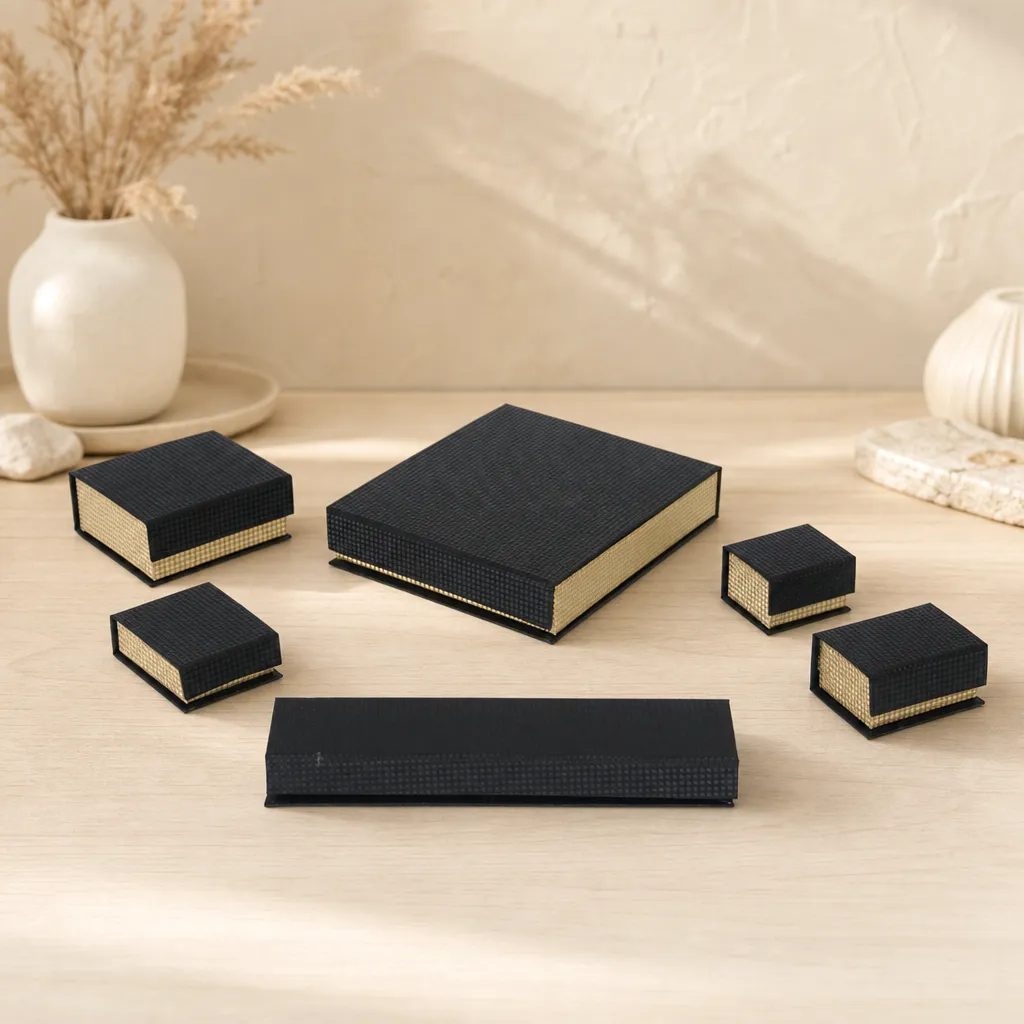
“How much does a custom box cost?” is the first question almost every brand asks — and the honest answer is that the unit price can vary several times over for boxes that look similar in a photo. Knowing what drives the price lets you brief a manufacturer precisely, compare quotes fairly and decide where to spend.
1. Quantity
Quantity is the biggest lever. Every custom box carries fixed setup costs — cutting dies, print plates, foil blocks, machine setup and sampling. Those costs are spread across the run, so the unit price falls as quantity rises. Our minimum is 500 pieces per design; quoting the same box at two or three quantities shows you exactly where the price curve flattens.
2. Box structure
| Structure | Relative cost | Why |
|---|---|---|
| Folding carton | Lowest | Machine-made from one sheet, ships flat |
| Printed corrugated box | Low–medium | Machine-made, strong, ships flat |
| Lid-and-base rigid box | Medium | Chipboard frame, partly hand-wrapped |
| Magnetic rigid box | Medium–high | Extra panel, magnets, more hand assembly |
| Collapsible magnetic box | Medium–high | Engineered folds — but saves freight and storage |
| Drawer box | Medium–high | Two parts (tray and sleeve) to make and fit |
See what is a rigid box and types of cardboard boxes for how each is built.
3. Size
Bigger boxes use more board and wrapping material, and very large or very small sizes can need more handwork. Designing the box tightly around the product — with a sensible insert — keeps material and freight down.
4. Wrapping material
Coated (litho) paper is the most economical premium wrap. Book cloth, specialty textured papers, faux leather and flock each add material cost and, in some cases, handling time.
5. Print and finishes
Every finish is an extra pass through a machine or a hand process: full-colour print, lamination, foil stamping, embossing, spot UV. One well-chosen finish — a gold foil logo on matte laminate — usually gives more perceived value per cent than stacking several. See box finishes explained.
6. Inserts
EVA foam, satin-lined trays and chipboard dividers protect and present the product, but they are custom parts with their own tooling. Multi-piece sets cost more to fit than a single product.
7. Sampling
A physical sample is the cheapest insurance against an expensive mistake. We charge a sample fee and refund it when you place the production order, so a confirmed project effectively gets its sample free.
8. Shipping and Incoterms
Freight is part of the real cost of a box. Flat-shipping collapsible boxes can cut volume by up to ~80% compared with pre-formed rigid boxes. Your Incoterm also changes what the quote includes: EXW covers the boxes at our door, while DDP includes delivery and duties to your address. We work with all Incoterms and quote in EUR or USD.
How to lower your unit cost
- Order a little more than your first run if storage allows — the price curve rewards it.
- Pick one signature finish instead of several.
- Use a standard-ish size that fits your product snugly.
- Choose a collapsible box if you ship far or store a lot.
- Plan reorders: dies and plates are kept, so repeat runs skip most setup.
For volume pricing, read wholesale custom boxes; for the full ordering process, see custom rigid boxes: a buyer’s guide.
Get an exact price
Send us your product dimensions, quantity (or two quantities to compare), preferred box type, finish and destination on WhatsApp or to [email protected]. We’ll quote in EUR or USD with production in about 15 days after sample approval.
Get a quote for your box project
Send us the box type, size and quantity you need on WhatsApp; we'll get back to you shortly.
Message on WhatsApp →